
The Rise of Zero-Person Video Teams: How AI Avatars are Transforming B2B and Internal Comms

The Rise of Zero-Person Video Teams: How AI Avatars are Transforming B2B and Internal Comms

The digital landscape is evolving, and zero-person video teams are at the forefront of this change. It’s a revolution that has profoundly challenged our perceptions of video production. As someone steeped in the world of digital media for over two decades, I’ve seen firsthand how AI avatars are transforming the way brands communicate.

I’ve faced many hurdles navigating this shift. Bridging the human touch with digital efficiency is no easy feat.

– Choosing AI avatars can sometimes feel impersonal
– Losing the warmth of human charisma is a risk
– Engaging audiences can become more complex

The adoption of AI tools like Synthesia, Hour One, and DeepBrain offers undeniable benefits. The ability to create professional videos without traditional production methods is a game-changer. In my role at Border Digital Media, I’ve seen how this technology can cut production costs and time drastically—up to 80%, according to Synthesia.

– It improves consistency across communications
– It allows for rapid deployment of training materials
– It scales effortlessly for global audiences

The key is knowing when to use AI avatars and when to keep the human element alive. That is the delicate balance we strive to maintain. This journey is an opportunity for growth and innovation, and I’ve embraced it wholeheartedly. For professionals like us, it’s all about adapting and thriving.

I’m eager to hear your thoughts. How are you leveraging AI in your projects? What successes and challenges have you encountered? Let’s share and grow together.

AI Attribution Models: Solving the Multi-Touch Dilemma in a Privacy-Centric World

AI Attribution Models: Solving the Multi-Touch Dilemma in a Privacy-Centric World

Navigating the digital landscape without third-party cookies feels like charting a course through uncharted waters. As a digital specialist with over two decades of experience, I’ve faced countless industry shifts, but nothing quite like this. Our team at Border Digital Media has always thrived on adapting to change. The shift to privacy-centric marketing is no different.

In recent years, privacy regulations have ramped up, and deterministic attribution models began failing us. I remember one particularly frustrating campaign where the return on investment metrics were nothing but a puzzle. Despite our best efforts, the lack of complete data left us questioning every decision. It was then that we took a hard look at AI-powered attribution models.

Here’s what I’ve learned:

– AI attribution models, with their probabilistic and predictive analytics, are game-changers. They repaint the customer journey more accurately, even when data is incomplete.
– Investing in platforms like Google’s Data-Driven Attribution and Rockerbox has been pivotal for us. Their machine learning capabilities have helped us reassess and reassign marketing budgets with newfound confidence.
– Engaging with these AI tools demands a shift in mindset. We must view them not as replacements for human intuition but as critical tools that enhance our understanding of consumer behavior.

As Gartner predicts, by 2026, these AI models will become mainstream, with 80% of marketers transitioning away from outdated deterministic models. I find this statistic both compelling and challenging. It reminds us that our industry is perpetually on the brink of evolution, and embracing this change is essential.

I encourage you to delve into the world of AI attribution. Learn to interpret these models and communicate their insights across your teams. How are you adapting your attribution strategies in response to these changes? Let’s share our experiences and insights to navigate this new era together.

Creative Meets Code: Using Generative AI in Branding and Visual Design

Creative Meets Code: Using Generative AI in Branding and Visual Design

Generative AI is not just a buzzword in the creative industry—it’s a game-changer that’s altering the landscape of branding and visual design. In the dynamic digital media world, I’ve witnessed first-hand the blending of creative artistry with cutting-edge technology, and it’s awe-inspiring.

Why should this matter to you?

– Redefining Creativity: Tools like Midjourney and Adobe Firefly are expanding the boundaries of what’s possible, allowing us to ideate and test ideas at an unprecedented scale. If you aren’t already exploring these technologies, you’re missing a significant opportunity to innovate.

– Navigating Complexity: As creative professionals, we must develop new skills like prompt engineering and ethical considerations in content generation. It’s a challenging but rewarding endeavor that can set your work apart from the rest.

– Balancing Act: For creative leads, the task is more complicated. We have to juggle speed, scale, and maintaining authenticity across multiple channels. It’s an ongoing challenge, but one that can redefine your brand’s presence in the market.

Here’s how I approach overcoming these challenges at Border Digital Media:

– Embrace Learning: Dive deep into understanding AI tools. Attend workshops, participate in webinars, and engage with communities dedicated to AI in creativity. Knowledge is your ticket to transforming your workflow.

– Collaborate Effectively: Use AI as a co-pilot in your design process. It enhances, not replaces, human creativity. Encourage discussions and collaborative projects both within your team and with clients.

– Stay Authentic: As we scale, it’s crucial to preserve the brand’s voice. Always circle back to your core values and ensure that technology amplifies rather than dilutes them.

As I continually navigate these complexities, I find that the magic happens where creative meets code. What has your journey been like with AI in your creative process? I’d love to hear your thoughts and experiences!

When Not to Use AI: Identifying Key Moments Where Human Creativity Outperforms Automation

When Not to Use AI: Identifying Key Moments Where Human Creativity Outperforms Automation

Stepping into the realm of AI, it’s impossible to ignore its potential. But when it comes to creativity, there’s an irreplaceable element only humans can bring to the table.

Running a digital marketing company for over a decade has taught me countless lessons about where technology elevates our work and where it can fall short. One challenge has always been maintaining the emotional resonance in our campaigns. AI can analyze data and predict trends, but the nuanced art of storytelling remains a deeply human skill. I remember working on a cross-border campaign for a client—weaving cultural nuances with heartfelt narratives had a profound impact. An algorithm wouldn’t have captured that essence.

From crafting a brand’s voice to repositioning their entire narrative, there are pivotal moments where AI’s efficiency could lead to blandness. Brands like Nike and Lego are proof that while AI can churn out content, true connection needs human touch. It’s about more than just metrics; it’s about the magic.

Here are a few insights I’ve gathered:

– Emotions First: AI can provide insights, but it lacks the instinctive ability to connect emotionally.

– Nuanced Storytelling: Crisis communications and brand storytelling demand subtlety and cultural fluency that AI can’t replicate.

– Preserving Identity: Brands like Airbnb thrive on human-crafted engagement, preserving intimacy that automation might dilute.

So, yes, AI is a revolutionary tool—but it’s just that, a tool. Use it to support your vision, not replace it.

I’d love to hear your thoughts: When have you found human creativity to be irreplaceable in your projects? Let’s share our stories and learn from one another.

Your Brand Strategy Deserves an AI Strategy: Here’s How to Start

Your Brand Strategy Deserves an AI Strategy: Here’s How to Start

Revolutionizing your brand’s strategy with AI isn’t just a trend—it’s a necessity. In my 20 years at the helm of Border Digital Media, I’ve witnessed firsthand how essential it becomes to intertwine AI with brand objectives. It’s a challenging journey, but the results are transformational.

Navigating this AI-infused landscape involves rethinking the fundamentals. I’ve seen brands, big and small, falter without a clear AI strategy. What Coca-Cola achieved with AI campaigns—over 4 million interactions—illustrates the power and potential we’re dealing with.

– Uncovering the potential: AI isn’t about replacing human creativity; it’s about amplifying it. Imagine scaling your creative ideas without losing the human touch.
– Understanding the tools: It’s not just about choosing the right software. It’s about picking tools that resonate with your brand’s ethics and values. Think of Jasper, Brandwatch, or Sprinklr AI, not as just utilities, but as partners in your creative journey.
– Emphasizing the human element: While AI facilitates operations, maintaining a human-centric approach is key. Technology should enhance, not overshadow, human connection.

What do I do differently at Border Digital Media? Every project starts by integrating AI without compromising our core human-centric philosophy. We’ve faced numerous obstacles, from managing the balance between tech and artistry to ensuring our strategies cater to both English and Spanish-speaking audiences. Yet, with every hurdle, we’ve emerged stronger, more insightful, and more aligned with our clients’ visions.

Your move now? Reflect on how AI aligns with your brand’s unique story. How can it support—not alter—your narrative? Start small, and build a roadmap that stays true to your brand’s purpose. What AI-driven change are you willing to embrace next? Let’s spark a conversation. How are you planning to integrate AI into your brand strategy? Let’s discuss in the comments.

Prompt Engineering: The New Copywriting for AI-Powered Content Creation

Prompt Engineering: The New Copywriting for AI-Powered Content Creation

Prompt engineering is the new frontier of creativity in digital marketing. I never imagined my years of crafting brand messages would translate into teaching AI how to generate content. But here we are, in the thick of a technological evolution that’s reshaping our craft.

The challenge of prompt engineering initially felt like learning a new language, one with its own nuances and complexities. Precision has become our tool of choice. So, how do you master this language?

– Recognize the power in your words. They can shape an AI’s output as effectively as they do humans’.
– Embrace adaptability. Each tool, whether for content creation or ad generation, responds differently to changes in phrasing.
– Celebrate collaboration. It’s not about AI replacing us; it’s about partnering with technology to reach new heights.

This shift isn’t just about learning a new skill. It’s about transforming the way we approach content strategy— a fusion of human intuition and machine efficiency. For me, passing this knowledge to my team isn’t an option; it’s a necessity. I’m reminded every day that ensuring everyone at Border Digital Media is fluent in AI ‘dialects’ is as vital as their proficiency in SEO.

So, what does the future hold? A landscape where your ability to write prompts becomes as critical as crafting a tagline. It’s time to step into this new role confidently and collaboratively.

How do you see AI-enhanced creativity redefining your work? Feel free to share your thoughts!

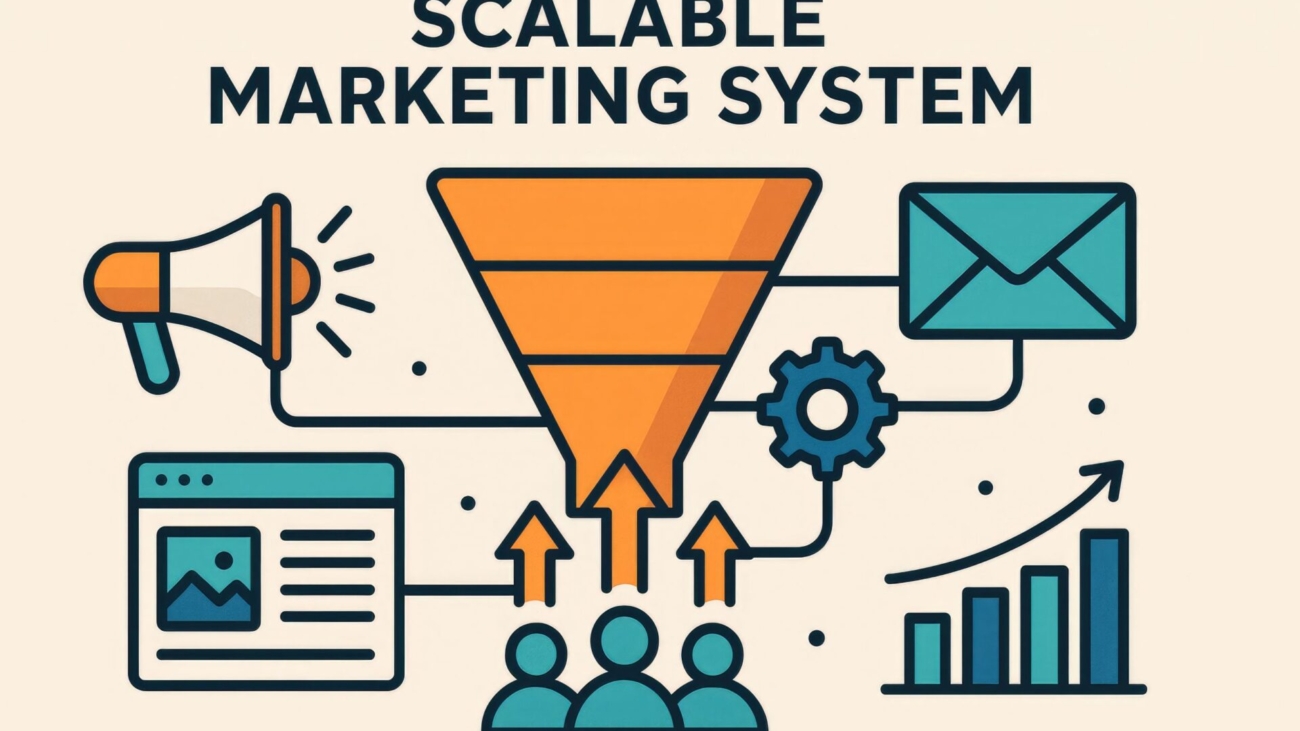
From Funnel to Flywheel: How AI is Reinventing Digital Marketing Models

From Funnel to Flywheel: How AI is Reinventing Digital Marketing Models

I used to think the traditional marketing funnel was my guiding light. I’d pour endless resources into top-of-funnel tactics, crossing my fingers and hoping for conversions at the bottom. But something wasn’t adding up. The funnel felt one-dimensional, static—and in our fast-paced digital world, it failed to keep up.

– Losing touch: Customers slipping through the cracks after the sale.
– Data overload: Struggling to make sense of the massive streams of customer data.
– Fragmented strategies: Disconnected marketing initiatives leading to redundant efforts.

Enter the AI-driven flywheel. It transformed my perspective of customer engagement. The flywheel thrives on energy—customer satisfaction fuelling momentum. It reshapes how we view every interaction. This isn’t just a theory. It’s happening right now, with AI leading the charge.

– Unified vision: Merging data across platforms for coherent strategies.
– Predictive insights: AI forecasting that lets us stay three steps ahead.
– Continuous engagement: Transforming followers into brand evangelists.

The real game-changer? AI’s ability to integrate and automate processes at every stage. It’s astonishing how customer data seamlessly drives personalized experiences. Predictive analytics blend with automation, creating a self-sustaining ecosystem that’s anything but stagnant. I’ve watched it elevate customer satisfaction by 20% and revenue by 30%.

In the world of digital media, embracing this shift is critical. Let’s be pioneers, not followers. Let’s leverage AI to revolutionize our strategies and inject vitality into our marketing. Take this journey—ask yourself how AI can transform your business model and drive continuous growth.

Have you embraced the flywheel model yet? Share your experiences. I’m eager to learn how it’s reshaping your marketing landscape!

AI Curation Over Creation: The Rise of the Algorithmic Editor

AI Curation Over Creation: The Rise of the Algorithmic Editor

The future of content isn’t just about creating more—it’s about curating smarter. 📍 In the digital realm, we’ve seen AI pump out endless streams of data, yet the real magic happens in how we sift through this ocean.

Reflecting on my journey running Border Digital Media for over a decade, I’ve faced and overcome the challenge of content saturation daily. Building strategies that not only cut through the noise but resonate with real audiences isn’t easy. That’s where the skill of the ‘Algorithmic Editor’ comes into play. These professionals marry the creative finesse of an editor with the analytical sharpness of data enthusiasts, leveraging tools like SurferSEO and Jasper to craft content that speaks directly to target audiences.

Some key insights I’ve discovered:

– **Data-driven decisions** make a difference when used to refine and personalize content pipelines, enhancing engagement and relevancy.
– **Collaboration between humans and AI** encourages adaptability. Brands like Canva and HubSpot lead the charge, blending human creativity with AI precision for a dynamic approach.

In reality, the shift toward AI-human hybrids is not just a trend—it’s an urgent necessity. According to Gartner, by 2025, 30% of marketing content will be curated by these hybrids. This evolution is vital for staying ahead amidst content overload and keeping your audience engaged.

So, how do you stay ahead of content fatigue? By embracing technology as an ally, not a replacement. It’s about continuing to learn, adapt, and focus on fostering genuine connections through strategic content curation.

I’ve seen firsthand the transformative impact of this approach in my business, and I believe you can too. What challenges are you facing in your content strategy, and how do you plan to navigate them? Share your thoughts and experience below. Let’s learn and grow together.

From Prompt to Profit: How AI Is Fueling a New Era of Hyper-Personalized Marketing Campaigns

From Prompt to Profit: How AI Is Fueling a New Era of Hyper-Personalized Marketing Campaigns

AI isn’t just reshaping marketing; it’s revolutionizing it. In the mix of strategy sessions and client meetings, AI tools like Persado, Salesforce Einstein, and ChatGPT have emerged as game-changers in our industry.

For someone who’s been entrenched in digital media—spanning television production to brand development for over 20 years—seeing AI deliver hyper-personalized campaigns is nothing short of exhilarating.

– Harnessing AI is transforming engagement by dynamically adapting ads, emails, and landing pages. Remember Chase Bank? They saw a 450% increase in click-through rates—all thanks to AI-generated copy.

– Experimentation is at the core. Real-time A/B testing powered by machine learning guarantees messages hit the mark, catering to the individual, not the masses.

– Yet, it brings challenges. Mastering prompt engineering and enhancing data literacy isn’t optional; it’s essential. I’ve learned, sometimes the hard way, that staying ahead demands constant learning and the courage to pivot.

In my journey with Border Digital Media, we’ve navigated these waters, bridging language barriers and harnessing technology to amplify the brands we partner with. The ride hasn’t always been smooth, but it’s always been rewarding.

What’s next? It’s your move. Embrace the tools at your disposal. Challenge yourself to learn and adapt continually. How has AI influenced your approach to marketing? Let’s discuss your experiences and how we can collectively push the boundaries in our field.

The Rise of AI-Driven Personalization: Beyond Segmentation to Predictive Marketing

The Rise of AI-Driven Personalization: Beyond Segmentation to Predictive Marketing

Transitioning from basic segmentation to predictive marketing isn’t just a trend—it’s a necessity.

As a digital specialist navigating the ever-evolving landscape of marketing, I’ve witnessed firsthand how AI-driven personalization is reshaping our connections with consumers. Early in my career, I remember being heavily reliant on traditional segmentation. Back then, we would categorize customers into broad groups and craft our strategies accordingly. But something was missing—the personal touch.

The challenge? Balancing the art of storytelling with the science of prediction. It’s daunting, but here’s what I’ve learned.

– AI isn’t just a tool; it’s a partner. It allows us to peek into the future of consumer behavior and respond in real time. The difference this makes is not just in scale but in depth of engagement.

– Brands that embrace this shift are seeing substantial results; up to a 30% boost in revenue speaks volumes.

– Tools like Adobe Sensei and Salesforce Einstein have changed the game, but they also demand new skills. Understanding data science has become as fundamental as creativity itself.

Navigating the intricacies of these advanced technologies isn’t easy. At Border Digital Media, we’ve faced our share of obstacles. But by continually learning and embracing change, we’ve harnessed AI to create meaningful, personalized experiences for our clients’ audiences. The commitment to staying ahead, learning continuously, and being open to transformation is daunting but essential.

As we embark on this journey, I encourage fellow marketers to delve deeper into their data, understand the subtleties, and let AI do what it does best—predict, personalize, perfect.

In this fast-paced journey, how are you integrating AI-driven personalization into your strategy? What hurdles are you facing, and how do you plan to overcome them? Let’s continue this conversation, learn from each other, and grow together.